- A number of very important ballot measures, like versions of Marsy’s Law, have passed, granting crime victims more rights in the judicial process.
- But a number of initiatives have failed as well, like marijuana legalization in Missouri and Medicaid expansion in Montana.
- The results show that progressive ballot measures did well, including those about minimum wage and enfranchisement of felons.
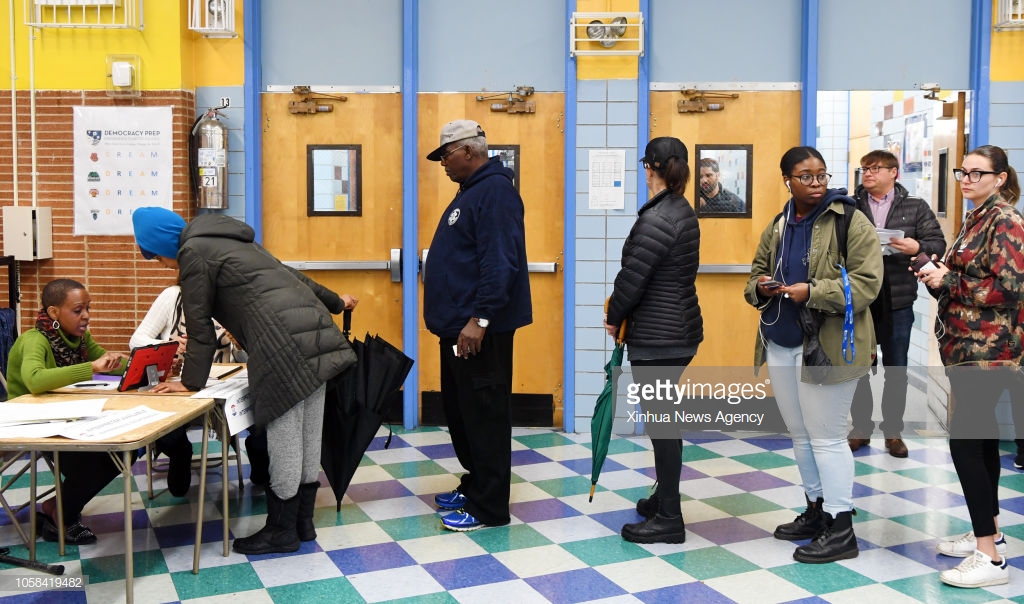
During the 2018 midterm elections, 157 ballot measures were up for consideration. There are a number of very important ballot initiatives concerning a variety of topics like gun control and criminal justice that have passed and several that did not. Here, we highlight a few of those measures.
Voters in six states approved numerous versions of a Marsy’s Law, which grants crime victims more rights in the judicial process. Such laws passed in California, Florida, Georgia, Nevada, Kentucky, North Carolina and Oklahoma.
In Florida, voting rights for 1.4 million former convicts have been restored with the passing of Amendment 4. According to CBS News, this enfranchises the “largest population in U.S. history since women’s suffrage.”
Another interesting amendment passed in Florida, a measure that prohibits on racing or betting on greyhounds or other dogs by 2020.
Arkansas and Missouri have raised their minimum wage a little higher. Arkansas will raise their’s from $8.50 to $11 an hour by 2021, while Missouri will raise their’s from $7.85 to $12 by 2023.
Michigan voters approved a measure to legalize recreational marijuana, while Missouri voters rejected a similar amendment.
Idaho, Nebraska and Utah voted to pass Medicaid expansion under the Affordable Care Act. This means individuals under 65 whose income is 138% or below the nation’s poverty line will now be covered under Medicaid. On the other hand, Montana rejected the ballot measure.
In Oregon, voters rejected a measure that aims to prevent public funding of abortions, while voters in Alabama and West Virginia approved a similar amendment.


 INSIDER